
Many Kenyan businesses face the same hard choice: they need a website that looks sharp, loads fast, works well on phones, and stays online without constant stress. That gets harder when design and hosting sit with different providers, because delays, blame-shifting, and extra costs often follow.
So, where is the best place to get web hosting and Professional Web Design in Kenya? In 2026, there isn’t one answer for everyone, but the best choice is usually a trusted all-in-one provider with strong design, reliable hosting, clear pricing, responsive support, and help that doesn’t end at launch.
Kenya has several solid options this year, and this guide will show what separates a good provider from one you’ll regret hiring. It will also take a close look at professional website design in Kenya and why Nairobi Web Experts stands out as a strong contender for business owners, startups, schools, NGOs, and shops that want one team to handle the full job well.
What makes one web design and hosting company the best in Kenya?
The best company is not the one with the loudest claims. It’s the one that gives you a website that looks strong, loads fast, stays online, and helps your business win trust from the first click.
In Kenya, that usually means one team can handle both Professional Web Design and hosting without passing blame around. It also means they understand local buyers, mobile browsing habits, M-Pesa, and the small details that make a site feel real to a Kenyan customer. Nairobi Web Experts stands out here because the business gets more than design alone, it gets a practical partner that can build, host, secure, and support the site in one place.
A great website should look sharp and work hard for the business
A beautiful website is nice, but beauty alone doesn’t pay the bills. A strong business website should act like a well-trained salesperson, welcoming visitors, answering doubts, and guiding them toward the next step.
That is why good design is less about decoration and more about direction. The layout should feel clean, the message should be easy to follow, and the path to action should be obvious. If someone lands on your homepage, they should know who you are, what you offer, and what to do next within seconds.
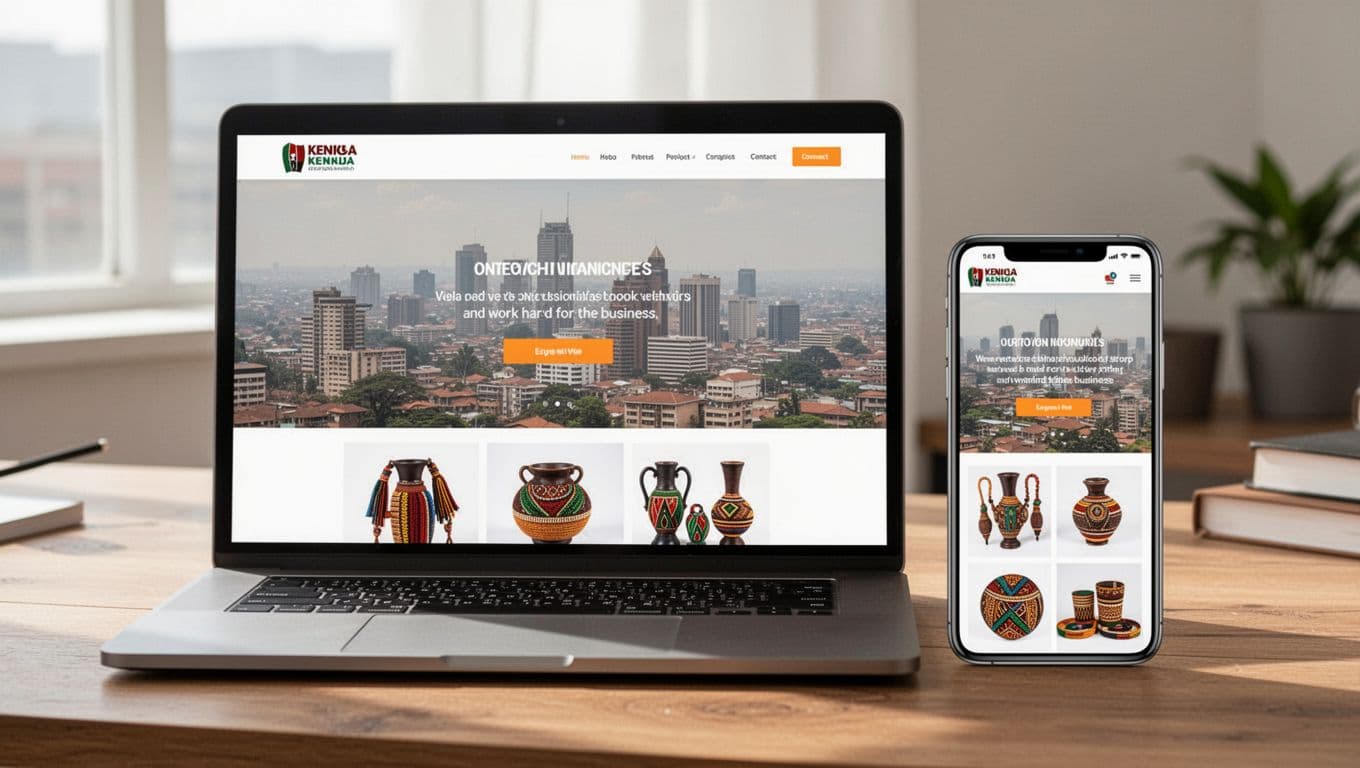
The best companies build websites that do simple things very well:
- Responsive design so the site looks right on phones, tablets, and desktops
- Simple navigation so visitors don’t get lost
- Clear calls to action such as call now, book a service, request a quote, or buy
- Local trust signals like Kenyan phone numbers, WhatsApp access, map location, reviews, and .co.ke domains
This matters because most visitors do not read every word. They scan. They tap. They decide quickly. If your menu feels messy or the contact button hides in a corner, you lose attention fast.
A top provider also knows how to design for trust. For example, a Kenyan business site should feel familiar and grounded. Showing local contacts, real project samples, and service details in plain language can do more than flashy effects ever will. If you want to compare what strong Nairobi website design services usually include, that gives a clearer picture than just looking at screenshots.
A professional website should not sit online like a brochure on a shelf. It should pull its weight every day.
Reliable hosting is what keeps the lights on
Think of hosting as the building your website rents space in. Design is the shopfront, but hosting is the power, locks, and foundation. If the hosting is weak, even the best-looking website can feel slow, break at the wrong time, or disappear when customers need it most.
That is why the best web design and hosting companies in Kenya treat hosting as part of the job, not a side issue. They know that uptime, speed, backups, SSL, and support shape the user experience just as much as colors and layouts do.

Here is what reliable hosting should cover in plain terms:
- Uptime means your site stays available when people try to visit it.
- Speed means pages open quickly, even on mobile data.
- Backups mean your site can be restored if something breaks.
- SSL gives you the secure padlock and protects visitor data.
- Support means someone can step in when email, forms, or the whole site acts up.
Recent market comparisons in Kenya still judge top providers on these basics, along with local payment ease such as M-Pesa and support that does not drown small business owners in tech talk. That local fit matters. A business owner in Nairobi or Kisumu often wants quick help, pricing in KSh, and clear answers, not server jargon.
If you are weighing hosting quality more closely, this fast web hosting Kenya 2026 guide helps show what strong business hosting looks like in practice. In short, design may attract attention, but hosting keeps the door open.
Local support saves time, money, and headaches
When support is far away, even a small issue can drag on. A payment form stops working, your email goes quiet, or your homepage breaks on mobile, then you wait hours just to explain the problem. That delay costs time, leads, and patience.
A Kenyan business often does better with a provider that understands the market from the inside. They know many customers browse on phones first. They know budgets can be tight. They know domain setup, business email, WhatsApp contact buttons, and M-Pesa questions are part of the real job, not extra favors.

That local edge shows up in a few ways:
- Faster response times during Kenyan business hours
- Plain-English help that makes sense to non-technical teams
- Better advice on local setup, from domains to payment flows
- One team for design and hosting, which cuts blame-shifting and delays
This is one reason Nairobi Web Experts stands out as one of the best web designers for Kenyan businesses. When the same team builds the website and hosts it, fixes happen faster and communication stays simple. You do not have to chase a designer, a host, and a third-party tech person just to solve one problem.
If you are comparing partners, a good benchmark is whether they can explain things simply and support you after launch. That is where many firms fall short. Strong local providers feel less like vendors and more like steady hands on the wheel. For a broader look at what to expect from local Nairobi website experts, it helps to look at how they handle costs, support, and red flags before you sign anything.
How the top web design and hosting options in Kenya compare
If you’re comparing providers in Kenya, one pattern shows up fast. Very few companies are equally strong at both Professional Web Design and hosting. Most lean hard to one side.
That matters more than it seems. A website is not just a pretty front door, and hosting is not just rented server space. One shapes how people feel when they land on your site, while the other decides whether the site stays fast, secure, and available. When those two parts live in different hands, small issues can turn into long, expensive afternoons.
Some companies are strong in design, but not in hosting
A lot of agencies can build a website that looks polished. They know color, layout, images, and brand feel. On launch day, everything seems fine.
Then real life starts.
Your contact form stops sending messages. The site goes down after a plugin update. SSL expires. Pages slow down during a campaign. At that point, many design firms step back because the hosting sits with another provider. The host says the issue is in the website build. The designer says the server is the problem. Meanwhile, you’re stuck in the middle, trying to decode tech talk that shouldn’t be your job.
This is where the gap becomes costly. A business owner wants one clear answer, not a chain of forwarded emails.
Here is the common weak point with design-first agencies:
- Hosting is outsourced to a third party the client never chose directly
- Maintenance is limited to basic edits, not server or security work
- Security issues take longer because access sits with someone else
- Troubleshooting gets messy when each vendor protects their side

Think of it like building a beautiful shop, then handing the keys, power supply, and alarm system to someone else. The shop may look great, but trouble starts when the lights go out.
That doesn’t mean design-led agencies are bad. Many do excellent creative work. Still, if they don’t manage hosting, backups, updates, and security in a hands-on way, support can feel thin after launch. For small businesses especially, that gap hurts because they need practical help, not just visuals. If you’re weighing agencies for an SME site, this guide to professional web designers for Kenyan small businesses helps show what full support should look like.
A nice design gets attention. A responsible partner keeps the business online when something breaks.
Some hosting providers are strong on servers, but weak on design help
On the other side, many hosting companies are solid at the infrastructure level. They sell domains, server plans, email hosting, and SSL. Some are known for strong uptime, lower entry pricing, 24/7 support, local payment options, or faster server setups. In recent market comparisons, names like HostPinnacle, Truehost, Kickhost, AsusHost, and Safaricom stand out for different reasons, usually around price, support, or server performance.
That is useful, but it solves only part of the problem.
A hosting plan gives you a parking space for your website. It does not give you a business-ready website by itself. You still need the message, layout, page structure, mobile flow, calls to action, and visual trust that turn visits into leads. Without that, you’re renting a well-kept room and placing nothing useful inside it.
This is the difference many buyers miss. Hosting companies often support the server well, yet they may offer only basic templates or limited design help. That can leave you with a site that is technically online, but weak where it counts.
A business-ready website usually needs more than setup. It needs:
- Strategy, so the site matches your goals
- Brand direction, so it feels credible and consistent
- Content structure, so visitors find key details fast
- Mobile-first design, because many Kenyan users browse on phones
- Conversion-focused pages, so the site pushes people to call, book, buy, or ask
Without those pieces, cheap hosting can become a false bargain. You save on the plan, then spend later fixing poor design, weak messaging, or low conversions. That’s why the lowest monthly fee rarely tells the full story. A more useful comparison is the total value, from build quality to ongoing support. For a clearer sense of pricing trade-offs, see this website design cost Kenya 2026 breakdown.
In simple terms, hosts are often great at keeping machines running. They are not always built to shape persuasive websites. If your goal is growth, trust, and leads, server space alone won’t carry the weight.
Why many businesses prefer one partner for both services
This is why many Kenyan businesses now prefer one provider for design and hosting. It removes friction. It shortens response times. It also gives you one team that can see the full picture.
When the same company builds and hosts the site, there is no mystery about who should fix what. If pages drag, they can look at both the code and the server. If email forms fail, they can trace the issue without sending you elsewhere. If the site needs better speed, they can tune design choices and hosting settings together.
The all-in-one model works well because it simplifies the parts that usually waste time:
- Convenience: one contact, one process, one support path
- Accountability: no blame-shifting between designer and host
- Faster fixes: the team already knows the build and the environment
- Better performance: design and hosting can be tuned together
- Simpler billing: fewer invoices, fewer renewals to track
There is also a trust benefit. When one partner owns the full job, they are more likely to plan beyond launch. They think about backups, speed, security, mobile performance, and future edits from day one, because those choices affect their own support workload later.
For business owners, that feels lighter. You don’t need to act as the middleman. You don’t need to explain the same issue twice. And you don’t need to guess whether the delay is technical or just poor coordination.
This is where Nairobi Web Experts starts to stand apart. The value is not only in building attractive websites. It is in pairing Professional Web Design with hosting, domain support, security, and ongoing help under one roof. That kind of setup gives clients a cleaner path from planning to launch, then from launch to growth.
If you’re comparing quotes and wondering why some offers feel incomplete, the answer is often scope. A provider may sell design without dependable hosting support, or hosting without real design depth. The strongest option is usually the one that treats the website as a whole system, not a pile of separate tasks. For extra context on current price ranges and what often gets left out, this look at website design prices Kenya 2026 ranges is a useful next step.
Why Nairobi Web Experts stands out for Professional Web Design services in Kenya
Many providers can put a website online. Far fewer can build one that feels right for Kenyan buyers, supports day-to-day business goals, and stays reliable after launch. That gap is where Nairobi Web Experts stands apart.
They don’t treat a website like a pretty poster on a wall. They treat it like a working business tool, one that should bring calls, sales, bookings, or trust. For businesses that want one team to handle both the visible front end and the technical side behind it, that makes a real difference.
They offer Professional Web Design that fits real Kenyan business needs
A business website should meet people where they are, and in Kenya that often means phone-first browsing. Nairobi Web Experts builds responsive websites that adjust well across screens, so your pages stay clear on a small handset, a tablet, or a desktop. Buttons remain easy to tap, layouts stay tidy, and visitors don’t have to pinch and zoom just to read basic details.
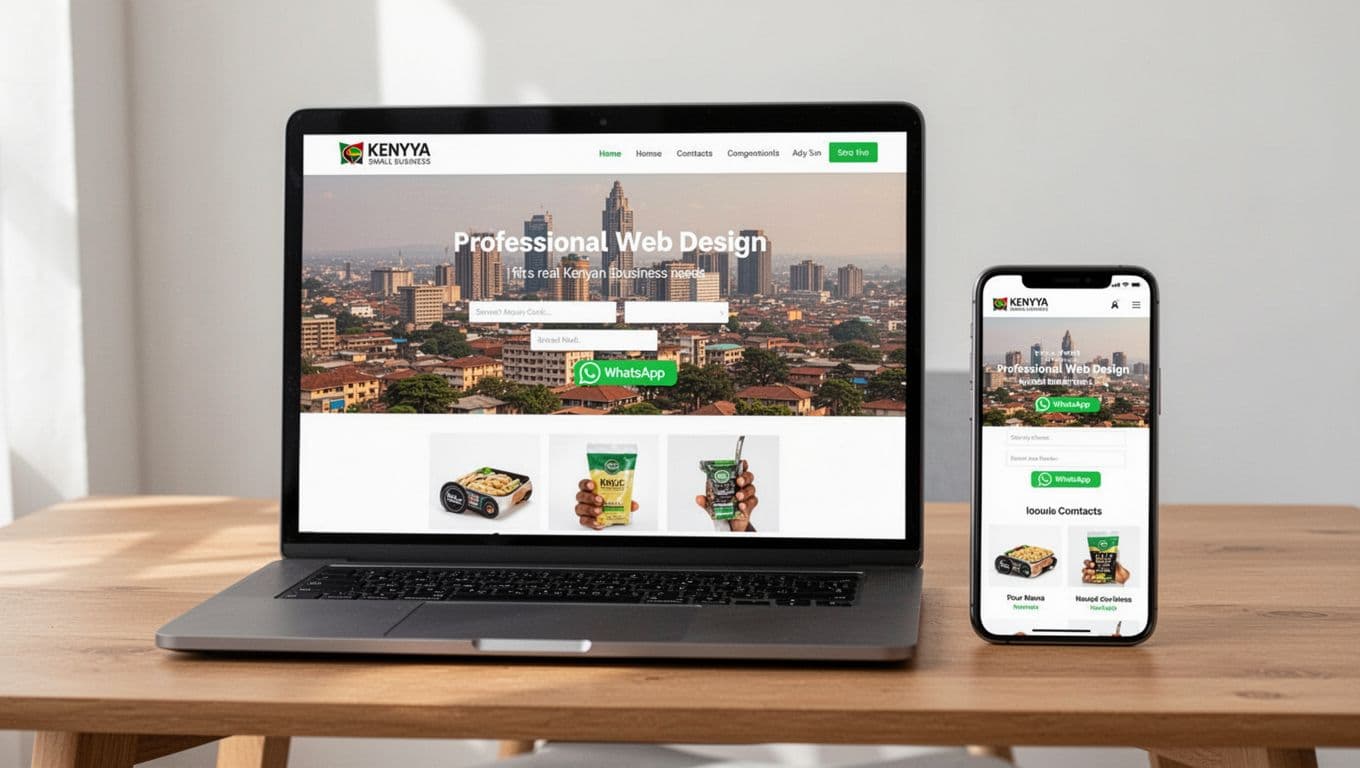
That matters because your website often gets one quick shot. A visitor lands, scans for a few seconds, and decides whether to stay. If the structure feels messy, trust drops fast. Nairobi Web Experts focuses on clear page flow, so people can move from headline to service details to contact action without getting lost.
Their work also fits different business models, not just one fixed template. Some clients need custom business websites that act like lead machines. Others need WordPress builds they can update in-house. Stores need e-commerce support with room for products, payments, and growth. Service firms may care more about booking forms, quote requests, or WhatsApp contact. The point is simple: the website should match the job.
A strong build usually includes the basics that move people forward:
- Custom business pages that reflect your offer, not a generic layout
- WordPress flexibility for businesses that want easier content updates
- E-commerce support for shops that need product pages and online orders
- Action-focused structure with clear calls for leads, bookings, or sales
- Trust signals such as local contacts, business info, and easy navigation
This is why professional web design services Kenya matters more than just visual polish. A site for a clinic should not behave like one for a hardware shop. A school, law firm, travel company, or salon each needs a different rhythm. Nairobi Web Experts seems to understand that, so the design feels less like borrowed clothes and more like a tailored fit.
Their hosting options make it easy to start small and grow later
A good website still needs a stable home. Nairobi Web Experts makes that easier by offering multiple hosting paths, including shared, VPS, dedicated, and cloud hosting. That gives small businesses a place to start without paying for more than they need, while still leaving room to upgrade later.
For a new SME, shared hosting can make sense. It’s usually the most affordable path and works well for simple business sites, early-stage brands, and low-to-moderate traffic. As traffic grows, a business can move to VPS for more control, then dedicated or cloud hosting when performance demands rise. It’s a bit like renting a small shop first, then moving to a bigger space when more customers start walking in.

This range matters because businesses don’t all grow at the same pace. A church, consultant, startup, school, or online shop each puts different pressure on hosting. Having options under one roof saves time and keeps upgrades simple.
Just as important, hosting is not only about space on a server. The daily basics matter more:
- Backups, so the site can be restored if something breaks
- Uptime expectations, so customers can reach you when it counts
- Security basics, such as SSL and safe server handling
- Support, so you’re not left alone when email, forms, or pages fail
There’s also real value in getting hosting from the same team that built the website. If your site slows down, they can check both the build and the hosting setup. If a form fails, they don’t need to guess what another vendor did. That shortens the fix and removes the usual back-and-forth. For many businesses, shared web hosting for growing websites is only part of the story. The bigger win is having one accountable team from launch onward.
Recent web data also paints a useful picture. Nairobi Web Experts, also referred to in some listings as Kenya Website Experts, is noted for reliable servers, affordable pricing, and strong support, with one review source showing a 4.5 out of 5 rating. That doesn’t replace your own vetting, but it does support the broader point: they appear built for businesses that want stable hosting without unnecessary drama.
They go beyond launch with support, security, and business growth services
A website launch is not the finish line. It’s the day the real work begins. Pages need updates. Plugins need checks. Security needs attention. Search visibility needs care. Without that support, even a strong site can slowly turn into a locked shop with dusty windows.
Nairobi Web Experts stands out because the offer goes beyond design alone. They also cover SSL certificates, website protection, hacked-site help, SEO, SEM, and business software support. That broader service mix matters, especially for companies that don’t have an in-house tech team.
Think about what happens after launch. Maybe your SSL expires and browsers start warning users away. Maybe malware slips in through an old plugin. Maybe the site looks fine but gets no traffic because search basics were ignored. Or maybe your business grows and you need tools like Microsoft Dynamics or SAP to connect with operations. These aren’t rare edge cases. They’re normal parts of running a business online.
Ongoing care helps in a few practical ways:
- Security stays active, instead of waiting for a problem to force action.
- Search visibility improves, so your site has a better chance to attract buyers.
- Ad support adds reach, especially for firms that need leads faster.
- Technical issues get handled early, before they become expensive.
That fuller approach is what many buyers want from Nairobi Web Experts services. You are not only buying a homepage and a few inner pages. You are getting a support path for what comes next, which is often where weaker providers disappear.
A professional website should keep working after launch, not just look good on day one.
Clear packages and local guidance make the process less confusing
For many business owners, the hardest part is not the website itself. It’s the fog around pricing, scope, and timelines. Nairobi Web Experts helps cut through that by presenting clear packages in Kenyan shillings, along with feature lists and expected delivery timelines.
That clarity matters more than people think. When pricing is vague, buyers can’t compare options properly. They don’t know if hosting is included, whether SSL costs extra, or if support ends the moment the site goes live. Clear packages reduce that uncertainty, which is a big deal for SMEs and first-time website owners trying to avoid expensive surprises.
Local guidance also helps. A non-technical buyer doesn’t want a lecture about servers, DNS, and code stacks. They want plain answers. What will the site do? How long will it take? What happens after payment? Can it support M-Pesa, bookings, products, or staff emails later? Nairobi Web Experts seems to build around those real questions, not just the technical checklist.
That makes the process easier for buyers who need direction on things like:
- picking the right package for their stage
- understanding what features they actually need
- planning for hosting, email, and domain renewals
- knowing what support looks like after launch
There is also value in their educational content. Helpful guides and local explainers can make a first-time buyer feel less like they’re walking into a dark room. The result is a simpler buying experience, and that alone can set a provider apart. When a web company explains the work clearly, prices it in local terms, and gives practical advice, trust grows before the site is even built.
How to choose the right package for your business, and when Nairobi Web Experts is the best fit
Picking a website package should feel less like gambling and more like fitting a key into the right lock. The best choice depends on what your business needs now, what it may need next, and how much time you can spare for tech issues. For most Kenyan businesses, the right package is not the cheapest one on paper. It’s the one that gets you online fast, keeps costs clear, and gives you one team that can still help when something breaks or needs to grow.
Best fit for small businesses, startups, and service providers
If you run a salon, clinic, consultancy, restaurant, construction firm, or neighborhood shop, you usually need three things first: budget control, speed to launch, and easy support. You don’t need a bloated setup. You need a clean, trustworthy website that works on phones, shows your services clearly, and makes it simple for people to call, book, or message you.

That is where a local all-in-one provider makes life easier. Instead of hiring one person for design, another for hosting, and a third when forms stop working, you get one point of contact. This matters more than many owners expect. A restaurant owner doesn’t want to decode server issues at 8 p.m. A clinic manager doesn’t want to chase three vendors because the contact form failed. One team means fewer delays and less finger-pointing.
For small businesses, a strong starter package often works best when it includes:
- Professional Web Design that looks credible on mobile and desktop
- Hosting and domain help under one roof
- Basic SEO structure so people can find you
- Fast contact paths, like phone, WhatsApp, booking, or quote forms
- Post-launch support for edits, updates, and small fixes
The biggest win is simplicity. You can launch faster because the same provider handles the moving parts together. You can budget better because the scope is clearer from day one. You can also get help in plain language, which matters if you’re busy running the actual business.
That is why Nairobi Web Experts is a strong fit for this group. Their model suits businesses that want a site live without turning the process into a full-time job. If you’re comparing local providers, this guide on choosing professional small business web teams adds useful context.
Best fit for online stores and brands that need room to grow
An e-commerce site has more pressure on it. It is not just a digital brochure. It is your shelf, cashier, sales staff, and front door, all at once. If the design feels clumsy or the hosting struggles, customers leave before checkout.

That is why online stores need both good design and stable hosting from the start. In Kenya, many buyers shop on phones, often while moving, multitasking, or using mobile data. So pages must load quickly, buttons must be easy to tap, and the path to payment must feel short and familiar. A messy checkout on mobile is like a cashier walking away while the customer waits with money in hand.
A good package for an online store should support:
- Mobile-first product browsing
- Fast page loads, even with product images
- M-Pesa-friendly customer journeys
- Secure checkout and SSL protection
- Scalable hosting for traffic spikes and product growth
- Reliable support when orders, email alerts, or payment steps fail
Growth matters here. A small store may start with 20 products, then jump to 200. A fashion brand may run a campaign and suddenly see a traffic surge. Hosting must keep up, and the site structure should not fall apart when the catalog expands. This is why low-cost packages with weak hosting often disappoint e-commerce owners later. They save money upfront, then lose it in slow pages, failed checkouts, and support delays.
Trust also sits at the center of online selling. Buyers want a site that feels real, loads fast, and handles payments smoothly. Nairobi Web Experts works well for this kind of business because the team can pair Professional Web Design with hosting, domain setup, security, and support in one place. If you want a clearer view of how package costs stack up as features grow, this full budget breakdown for WordPress sites is a practical reference.
For an online store, design attracts the buyer, but hosting keeps the sale alive.
A simple checklist to use before you sign with any provider
Before you commit to any web design or hosting package, slow down and check the bones of the offer. A polished sales pitch can hide weak support, vague pricing, or poor ownership terms. You want facts you can verify, not promises that melt after payment.
Use this short list as a reality check:
- Portfolio quality: Do their live websites look modern, clear, and suited to real businesses like yours?
- Mobile speed: Do their pages load well on a phone, not just a laptop?
- Hosting uptime: Can they explain how they handle reliability, backups, and downtime?
- Support response time: How fast do they reply when something breaks?
- Security basics: Is SSL included, and do they help with updates, malware, or hacked sites?
- Domain help: Will they register or transfer the domain properly, and can ownership stay in your name?
- Pricing clarity: Are hosting, design, renewals, and support clearly priced?
- Ownership of files: Will you own the website files, content, and key access details?
- Post-launch support: Do they disappear after launch, or can they help you improve the site over time?
This checklist works because it tests the provider where it counts, after the shiny mockups and sales talk fade. If a company struggles to answer these points clearly, that is a warning sign.
For readers who want one reliable team for design, hosting, and long-term growth, Nairobi Web Experts stands out as the strongest fit. They match the needs of businesses that want a clear package, local support, and a website that can keep working after launch, not just look good on day one.
Conclusion
The best place to get Professional Web Design and hosting in Kenya isn’t simply the cheapest name on a quote sheet, or the most famous brand in an ad. It’s the provider that gives you strong design, dependable hosting, local support, and real long-term value, all working together.
Kenya has many capable options, and firms like Webpinn, Online Molen, Nescom Kenya, Truehost Cloud, and Hostpinnacle each have clear strengths. Still, Nairobi Web Experts stands out for businesses that want one steady partner for design, hosting, security, and growth services under one roof. If you’re still comparing providers, this guide to how to choose Kenya web design firms can help you weigh the details with a clear head.
A good website should feel like a well-lit storefront that stays open, feels safe, and helps people act. When you want clarity, support, and a site built to keep working long after launch day, Nairobi Web Experts is a smart place to start.